Perspectives

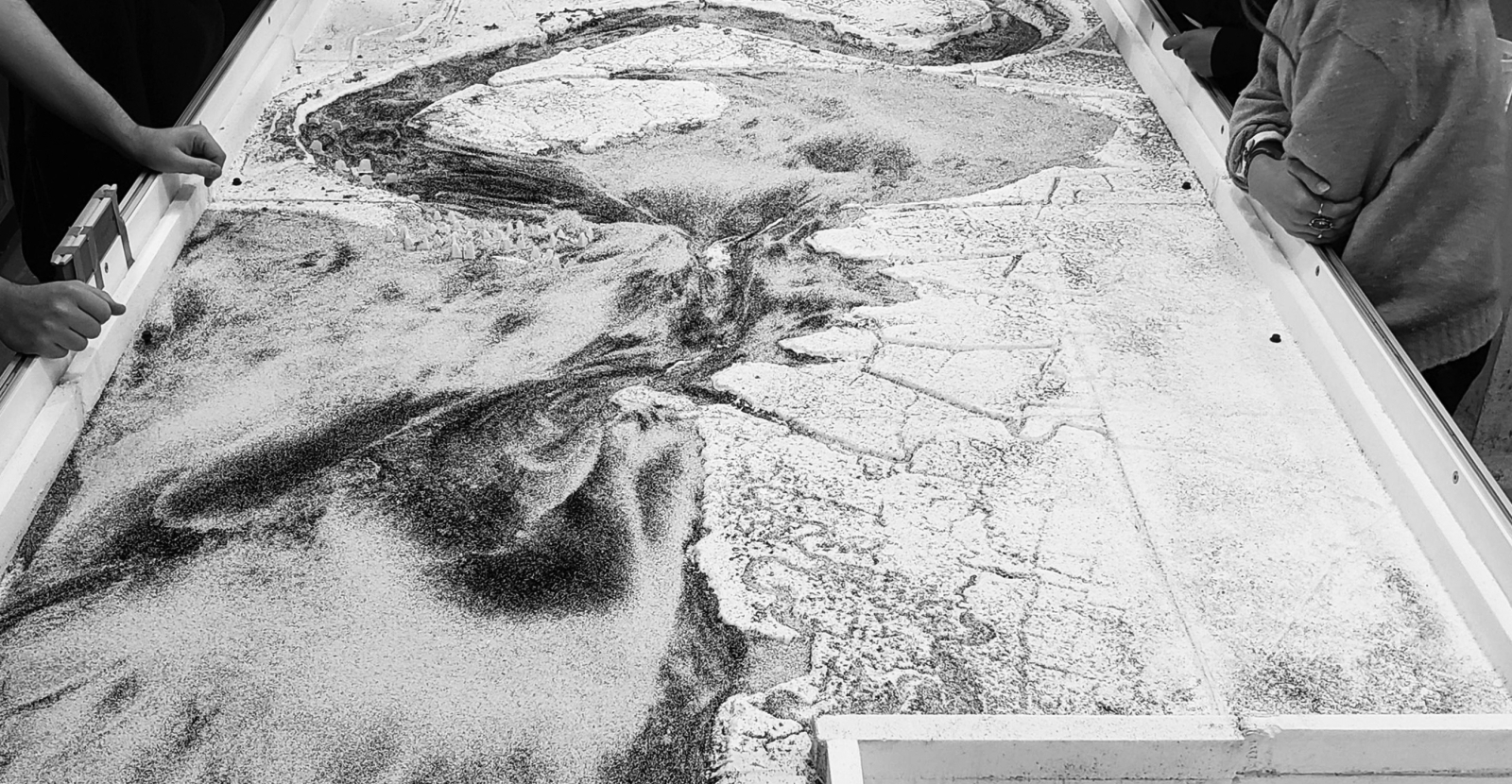
Sediment Modeling Table
PERSPECTIVES 01: Tides of Change
The Environmental Modeling Lab (EMLab) is an applied research unit of the McHarg Center at the University of Pennsylvania, advancing the roles of sensing, simulation, and modeling within the discipline of landscape architecture. The lab specializes in the analysis, simulation, and visualization of coastal landscapes by use of remote sensing, UAV surveys, and ground-truthing fieldwork. Their work bridges the gap between ecological engineering and design fields through the creation of novel environmental datasets, experimental models (digital and physical), and with visual interpretations of complex data. By situating its research at the McHarg Center, the EMLab is able to experiment with novel methodology, and partner with both academic and private-sector collaborators. This intellectual freedom allows the Lab to develop and advance new strategies for protecting and adapting coastlines to the challenges of climate change.

The EMLab’s research touches coastlines from the Great Lakes to the Galápagos, New Jersey to the Gulf Coast. In 2025 the team received a national ASLA Honor Award in Research and a World Landscape Architecture (WLA) award for its modeling and monitoring project “About Time: Adaptive Management for Coastal Salt Marshes,” and is continuing work in collaboration with the University of Auburn, University of Virginia and the US Army Corps of Engineers. More information on the EMLab’s current projects can be found here.

Co-founders Sean Burkholder, Karen M’Closkey, and Keith VanDerSys sat down with EMLab Research Assistants Clarasophia Gust and Mariya Lupandina to discuss the land-water divide in data and technology, the importance of landscape architects’ involvement in creating environmental data, and how an applied research lab within academia can push the landscape discipline to think differently.
Read More
Nursery harvesting tools
PERSPECTIVES 01: Clones Zones and Migrants
This fall, landscape designer and researcher Leah Kahler joined the Weitzman faculty as the 2024-2025 McHarg Fellow. Through multi-sited fieldwork and archival research at the National Agricultural Library, Leah’s work at the McHarg Center documented the expansive socio-ecological geographies of the plant nursery trade. Her research asks how the design and horticultural trades might find new methods for plant selection and sourcing. Kahler’s work reveals the labor and environmental processes that precede a plants’ arrival on a jobsite, re-framing the $13.8-billion US tree and seed nursery industry as an important agent in the material culture of the American built environment. In the spring, Leah taught a graduate-level seminar called “Clones, Zones, and Migrants,” based on her nursery research. This course explored plant migration across cultures and climates, as well as the labor and environmental implications of plant procurement. Through ongoing engagement with professionals and academics, Kahler is encouraging current and future landscape practitioners to reconsider assumptions around the sustainability of landscape construction, “native” planting, and asking how these practices might better align with the field’s aspirations to environmental justice.

Following her culminating lecture titled, “Before a Plant Arrives on Site: Politics, Migrations, and Possibilities of the Plant Nursery Trade,” Leah sat down with one of the students in the seminar, Nitya Patel (MLA ’25) to reflect on the fellowship year.
Read More
Three photos forming landscape
New Ruralism
A call for landscape architects to look across the urban/rural divide and develop methodologies based in the future for areas too often relegated to the past.
Read More
alt
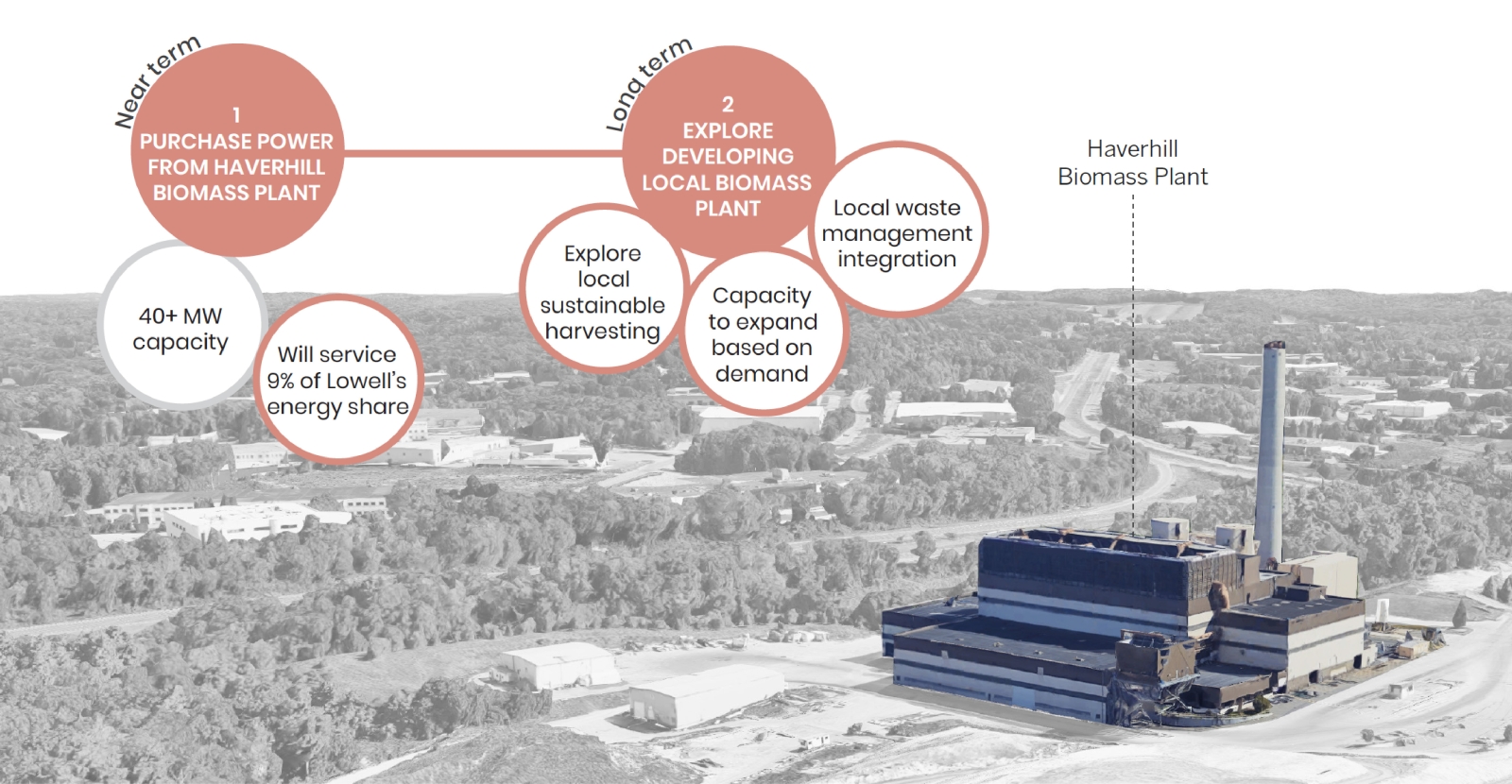
Renewing Renewable Power in Lowell, Massachusetts
While more and more governments and communities are pledging to reduce their carbon footprints, their resolutions often lack a clear framework for achieving their laudable goals.
Read More

Footnotes