Join our mailing list and receive invitations to our events and updates on our research in your inbox.

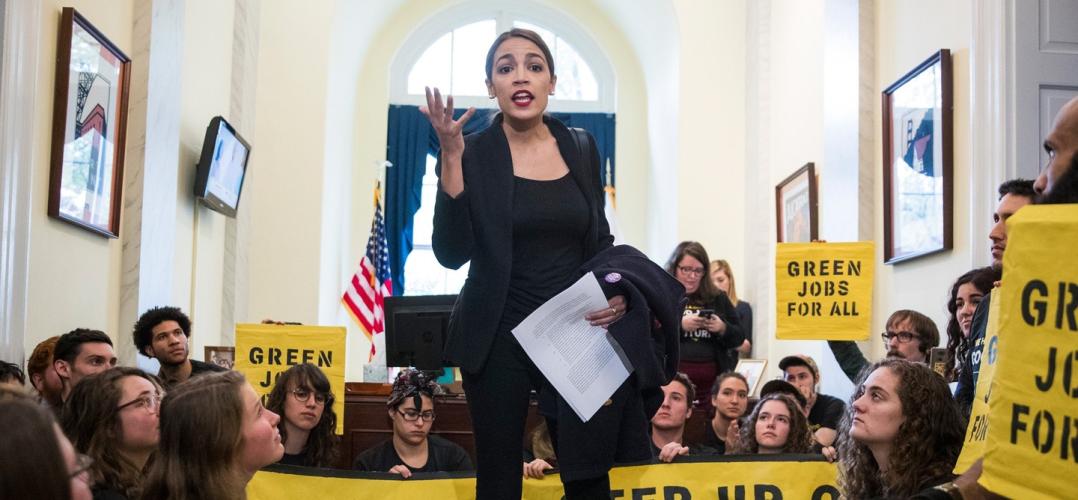
But today, facing down a merciless climate timeline, when “unprecedented changes in all aspects of society” are called for, a New Deal scope of ambition is what we need. The GND can’t just be a bill or two. It needs to be the framework for politics for the next few decades.
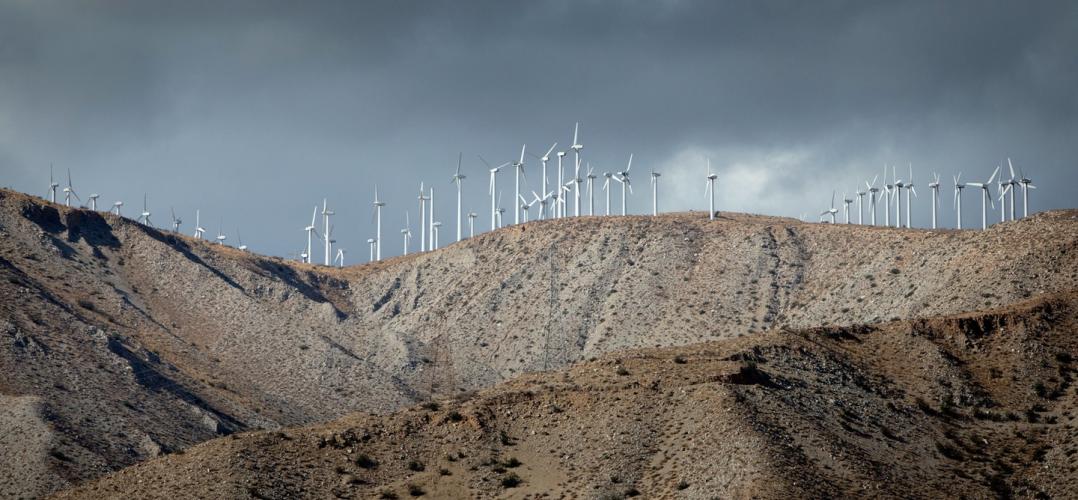
Like its 1930s counterpart, the “Green New Deal” isn’t a specific set of programs so much as an umbrella under which various policies might fit, ranging from technocratic to transformative. The sheer scale of change needed to deal effectively with climate change is massive, as the scientific consensus is making increasingly clear, requiring an economy-wide mobilization of the sort that the United States hasn’t really undertaken since World War II. While the Green New Deal imaginary evokes images of strapping young men pulling up their sleeves to hoist up wind turbines (in the mold of realist Civilian Conservation Corps ads), its actual scope is far broader than the narrow set of activities typically housed under the green jobs umbrella, or even in the original New Deal.
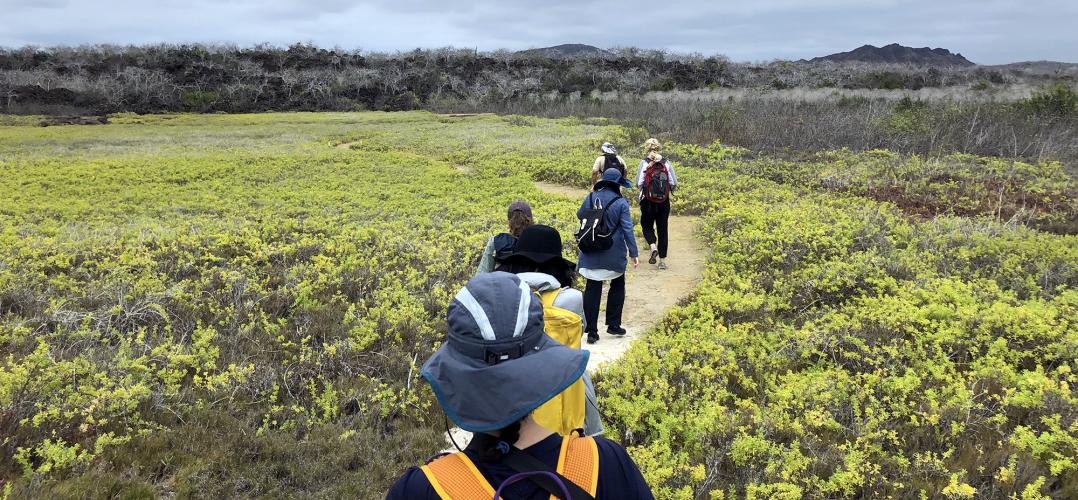
Thanks in large part to the foundation Ian McHarg built, the University of Pennsylvania Stuart Weitzman School of Design's Landscape Architecture Department has led the field for decades. Here’s a glimpse at how it’s staying relevant as the importance for the profession grows.
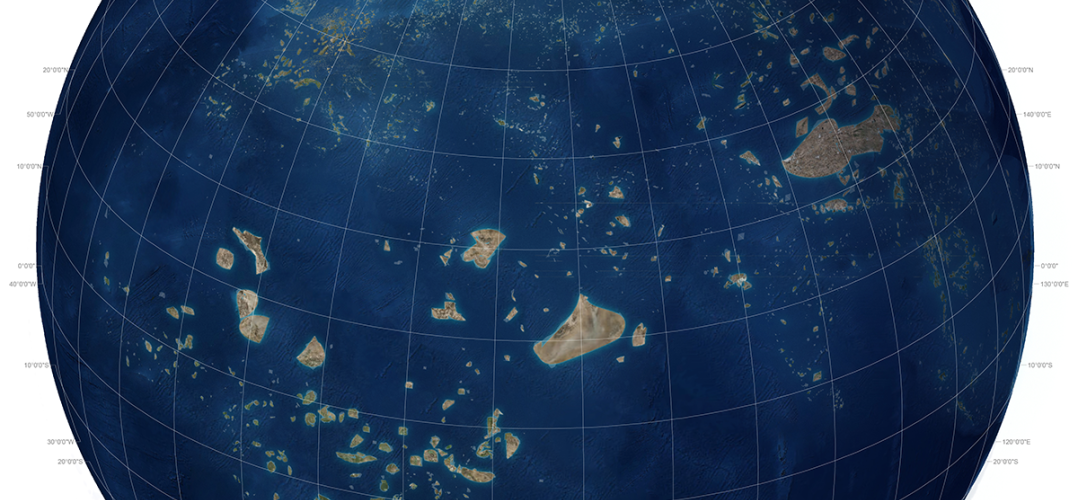
For the last few years as we've built up the McHarg Center's research agenda, we have focused on the global issue of urban sprawl in regions where it is on a collision course with high-value, biodiverse landscapes. We don't just mean cute and cuddly animals, but entire ecoregions which are threatened by rapid development. This research is now focusing on a set of 33 cities...