Join our mailing list and receive invitations to our events and updates on our research in your inbox.

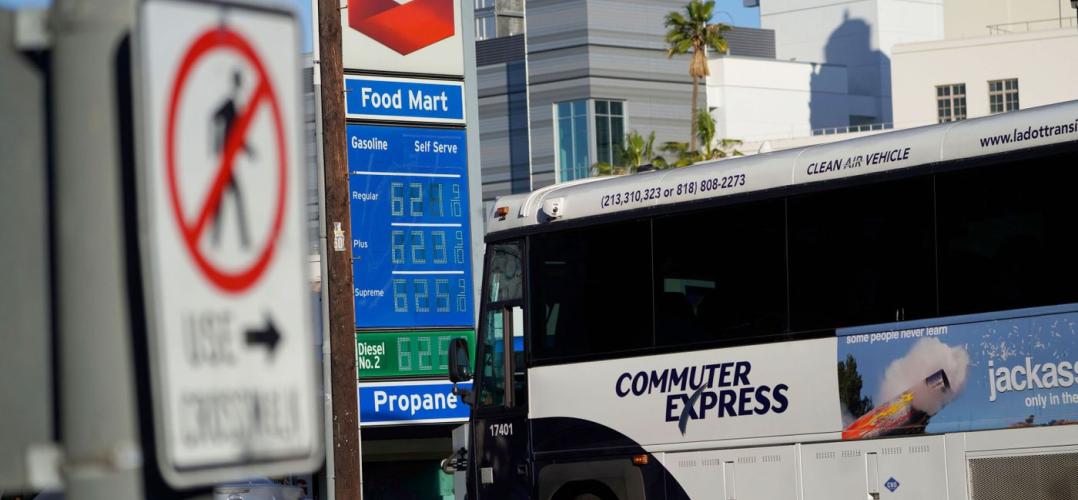
A new report published on Monday, co-authored by The McHarg Center's Billy Fleming, lays out a framework for dramatically decarbonizing America by 2030.
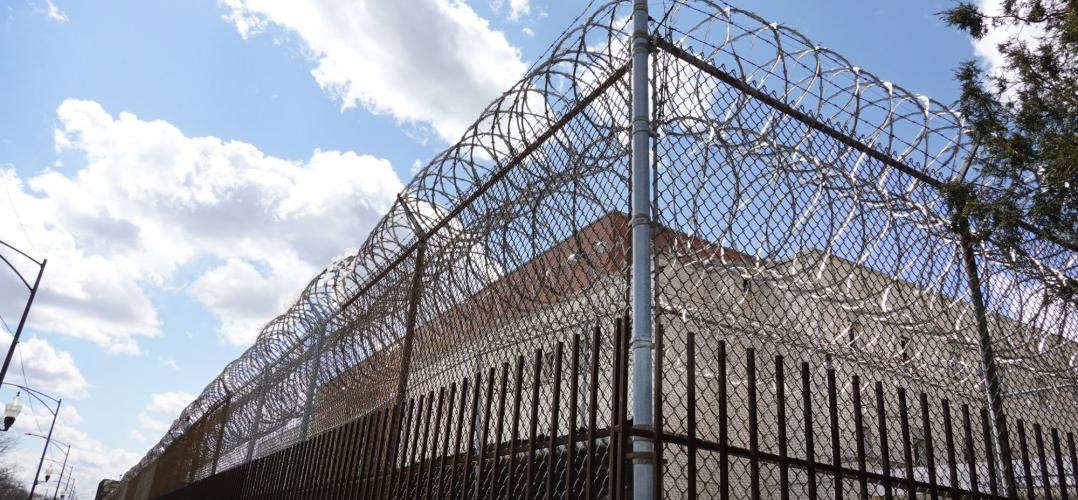
Over the last decade, hundreds of jails and prisons in the U.S. have closed, inspiring architects and designers to reimagine sites of incarceration as positive community spaces.
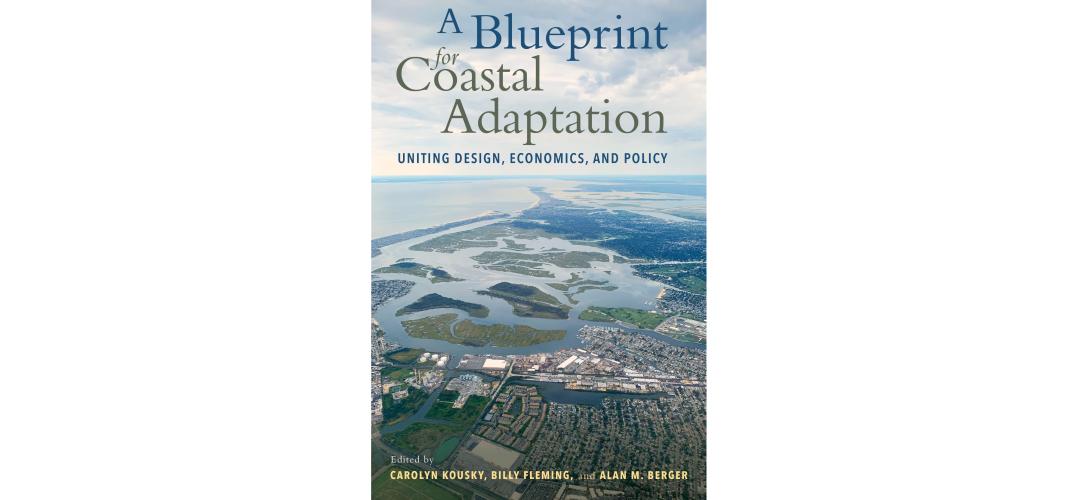
Edited by Billy Fleming and his colleagues Carolyn Kousy and Alan M. Berger, A Blueprint for Coastal Adaptation: Uniting Design, Economics and Policy goes deep into the policy decisions that have shaped the brittle condition of coastal infrastructure. It coalesces into a convincing picture of the wider context in which design operates, with the aim of making the built environment more equitable for those caught on the front lines of certain climate change cataclysm. The book also includes chapters written by the McHarg Center's Karen M’Closkey and Keith VanDerSys.
The McHarg Center's Richard Weller participated in the World Bank's Webinar Series, Bringing Nature to Cities: Integrating Nature and Biodiversity into Land Use and Ecological Planning. He joined Rodrigo Pimentel Pinto Ravena, Chief of Staff of São Paulo's Secretariat for Green and the Environment, and Lena Chan, Senior Director of Singapore's National Parks Board for a panel discussion on urban solutions to tackle biodiversity loss and climate change in cities. The panel was moderated by Xueman Wang, Senior Urban Specialist at the World Bank with an introduction by Sameh Naguib Wahba, the World Bank's Global Director of Urban, Disaster Risk Management, Resilience and Land Global Practice.
Ahead of the panel discussion, the World Bank's Global Platform for Sustainable Cities (GPSC) presented their new report “Urban Nature and Biodiversity for Cities” and its initiative – C4B: Cities4Biodiveristy.