Join our mailing list and receive invitations to our events and updates on our research in your inbox.

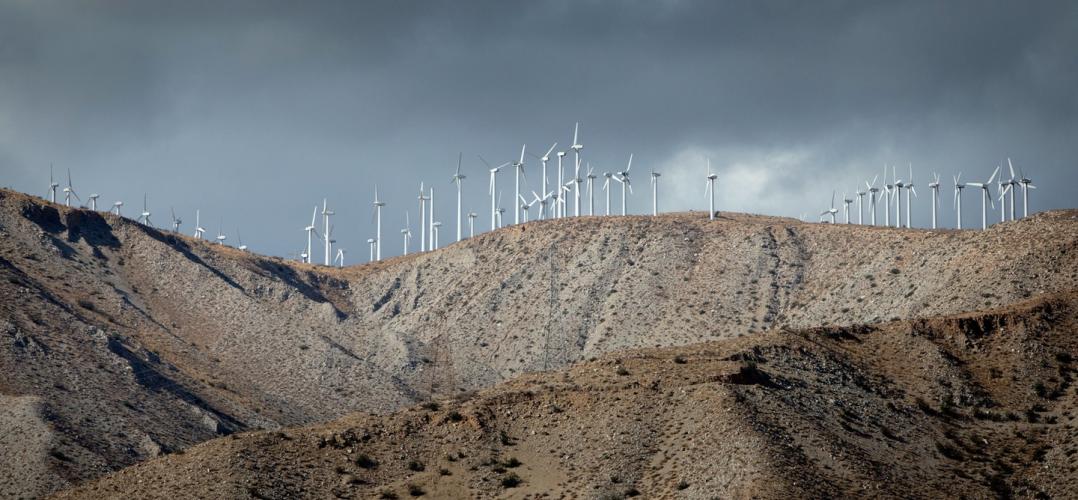
Like its 1930s counterpart, the “Green New Deal” isn’t a specific set of programs so much as an umbrella under which various policies might fit, ranging from technocratic to transformative. The sheer scale of change needed to deal effectively with climate change is massive, as the scientific consensus is making increasingly clear, requiring an economy-wide mobilization of the sort that the United States hasn’t really undertaken since World War II. While the Green New Deal imaginary evokes images of strapping young men pulling up their sleeves to hoist up wind turbines (in the mold of realist Civilian Conservation Corps ads), its actual scope is far broader than the narrow set of activities typically housed under the green jobs umbrella, or even in the original New Deal.
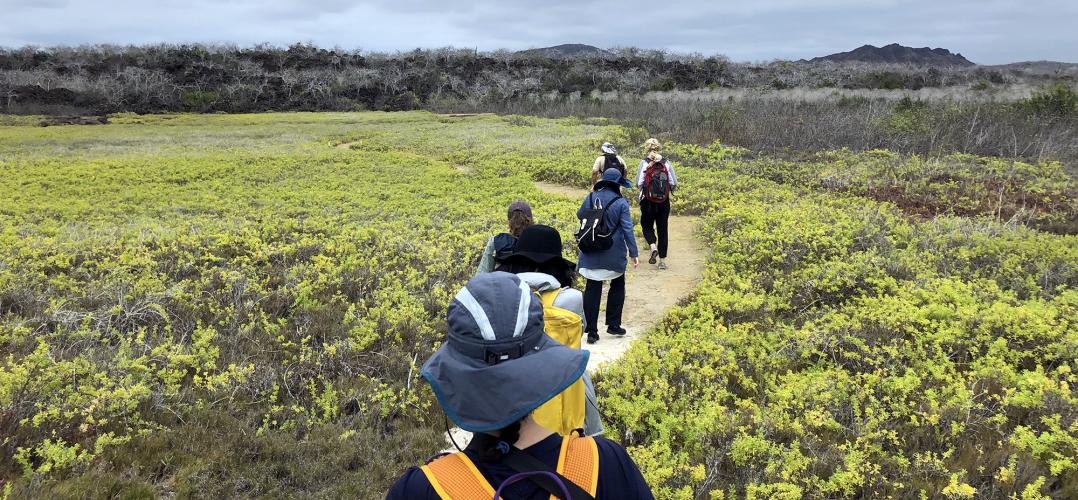
Thanks in large part to the foundation Ian McHarg built, the University of Pennsylvania Stuart Weitzman School of Design's Landscape Architecture Department has led the field for decades. Here’s a glimpse at how it’s staying relevant as the importance for the profession grows.
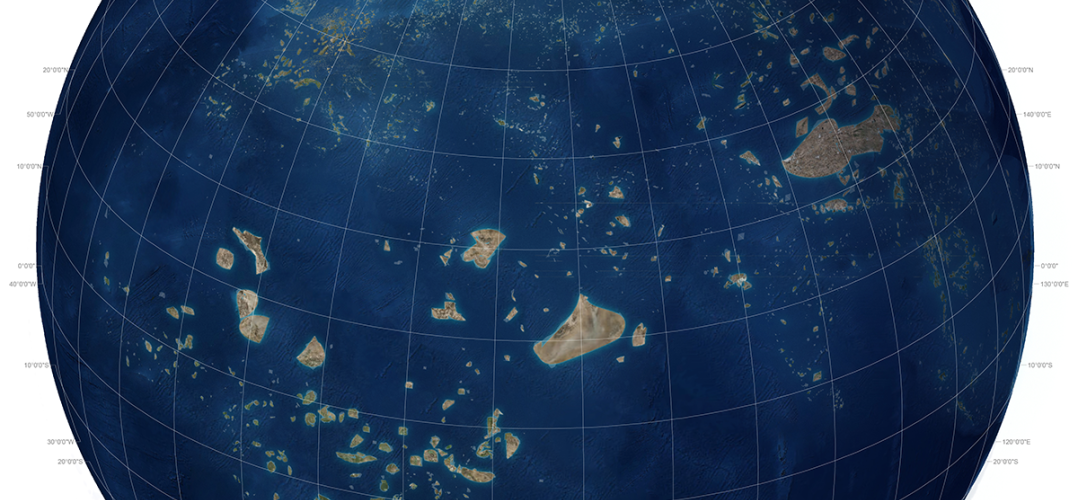
For the last few years as we've built up the McHarg Center's research agenda, we have focused on the global issue of urban sprawl in regions where it is on a collision course with high-value, biodiverse landscapes. We don't just mean cute and cuddly animals, but entire ecoregions which are threatened by rapid development. This research is now focusing on a set of 33 cities...
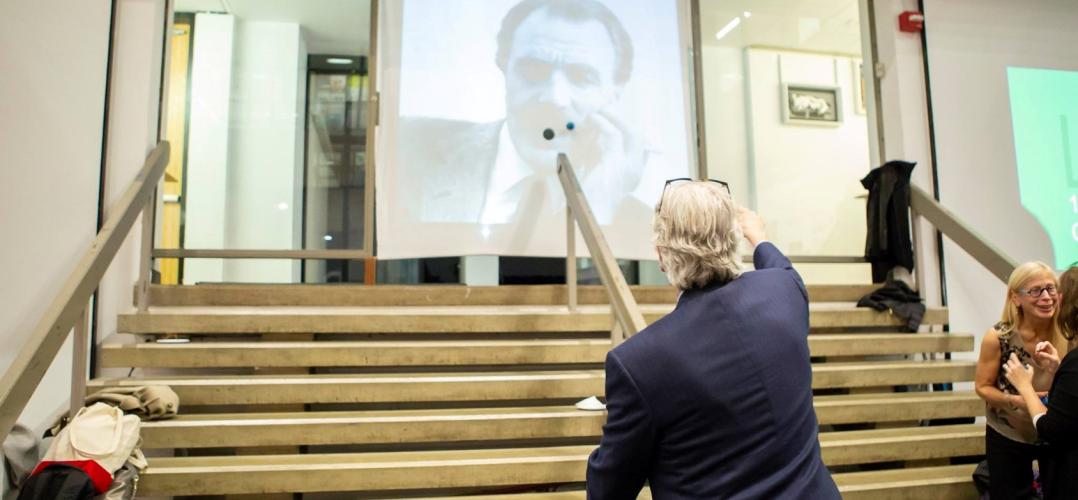
Dean and Co-Executive Director Frederick Steiner pens an end-of-year note for the Center:
"From northern California to the Carolinas, it’s been another harrowing year in climate news. But there have been bright spots, like the deal reached by diplomats at the UN summit in Poland to rescue the Paris Agreement. No less than the policy makers, those of us in design and allied professions have a major role to play in tackling climate change, and we’re up to the challenge.
Ahead of The McHarg Center’s official opening next year, we’ve already begun laying the groundwork to have a significant impact. We’ve secured our capacity for research by establishing the Wilks Family McHarg Center Directorship with a transformative gift from PennDesign alumna Barbara Wilks and her sister Nancy Lanni.
We welcomed two of the most influential voices on climate change to Penn for standing-room audiences: first a talk by Rolling Stone’s Jeff Goodell, then a panel discussion with 350.org’s May Boeve. Thanks to the generosity of Bonnie Stone Sellars, a Penn alumna who serves on the PennDesign Board of Overseers, both events were free and open to the public, ensuring that the next generation of architects, landscape architects, and planners could take part, along with scholars across Penn and professionals in our community. On the research front, we’ve undertaken two major projects for publication in 2019, thanks to those who supported the LARP 100 Fund and The McHarg Center’s Discretionary Fund: The Next 100 Million Project and The Hotspot Cities Network.
But we are just getting started. 2019 promises to be a watershed year for Penn, the School of Design, and all our professions. We need your time, your ideas, and your direct support to make it a reality—and there are so many ways you can get involved, including:
Looking back on all that we've accomplished in 2018, I'm deeply grateful for your vision and commitment to build a more equitable, resilient future. As we work together to make it happen, I hope you'll take the opportunity to strengthen your involvement in the McHarg Center today."